AddThis

Bookmark and Share

Friday, October 15, 2010

Pumpkin Ravioli

So the temperature is dropping here. It finally feels like fall. And I have begun harvesting Seminole pumpkins from my garden. That means it's time to start trying out pumpkin recipes. Tonight I opted for pumpkin ravioli and I kept it nice and local.

First I made my own pasta dough using unbleached all purpose white ultra-grain flour, olive oil, salt, and local eggs from Lake Meadow Naturals Farm.

While it rested, I made the filling using pumpkin puree from my garden, ricotta cheese that I made myself from organic milk, some grated pecorino romano cheese, an egg, fennel seeds, nutmeg, cinnamon, allspice, brown sugar, salt & pepper.

For the sauce I used some browned butter,  minced shallot, sage and some organic carrot/orange juice. I made the sauce while the ravioli were cooking and then added them directly into the pan with a little of the pasta water until they were nicely coated.

A little grating of pecorino romano completed the plate.


Pumpkin Ravioli with Carrot & Orange Brown Butter Sauce


Yum!

Monday, July 19, 2010

Something To Be Said For Tamales

Lately Marty and I have been enjoying the bourgeoning slow food movement in the Central Florida area. In particular there are two farmers markets that have made a commitment to supporting and promoting only locally produced food and goods. The leader on this front is the Monday night Audubon Park Market  as it is a completely local market. And more recently the College Park Market, which is now being held on Thursday nights, is trying to follow the same model.

We have made some wonderful connections at these markets, actually getting to know the farmers and growers of the food we buy. I love the fact that the soft boiled egg I ate this morning was gathered by Dale at Lake Meadow Naturals  from his very pampered and happy chickens; that Cinthia at Wild Ocean Seafood is my own personal connection to the hard working local fishermen and that Trish Strawn from Deep Creek Ranch can tell me exactly which animal my grass fed beef has come from, and every detail of its handling. I am also grateful to have met Tony Adams of Big Wheel Provisions who not only hooks me up with some truly amazing local free range pork but is a source for an endless array of yummy prepared treats - from charcuterie to condiments - pickles to pate. Each week it's a new adventure as he opens his coolers filled with handmade, locally sourced, thoughtfully prepared culinary fare.

Last week was no exception. When he handed us a package of his smoked Deep Creek Ranch beef tongue and told us to just take it and try it, how could we refuse? Perhaps we found ourselves tongue tied, because the next thing you know I was home in my kitchen with a package of food that looked like it was giving me attitude and not a clue what to do with it. My thoughts went in two directions: Vietnamese and Mexican. Should I maybe try it in something like a Banh Mi sandwich or a bowl of Pho? Or should I go the Latin route? After much internet surfing and recipe browsing I decided to use it to make tamales. Although I didn't come across a specific tamale recipe, it became apparent that it would be well suited to such a preparation. Let me just say up front that any trepidation we may have felt disappeared the minute we tasted the tamales.

They were wonderful. The tongue meat was tender and its smokiness layered with the smokiness of the chipotles, gave the filling a really nice depth of flavor.  It just goes to prove that sometimes it is best to think before you speak, hold your tongue as it were. Because if we had rejected Tony's offer we would have missed out on a great meal. So thanks Tony - see you at the Market!

Pulling together the ingredients for my tamales


I had to get past the fact that it was sticking it's tongue out at me - literally


Sautéing the meat with some onions, garlic and green peppers


Cooked down with tomatoes, corn, celery, chipotle, honey, spices and herbs


Mixing the shortening into the tamale dough


Stuffing the tamales


Into the steamer for an hour


Fire roasted tomatillos and peppers for the salsa verde


Que Bueno!

Thursday, June 17, 2010

Soft Rye Pretzels


If you know me you know that I love cookbooks. I can't help it, I'm just drawn to them. My latest purchase is called Good to the Grain by Kim Boyce.


I like that it is not only a book full of recipes that use a variety of healthy and interesting whole grain flours, but that her focus was on making sure that these recipes were also delicious. Today I tried her recipe for soft rye pretzels. If everything else in the book is as yummy as these, then I can't wait to keep baking! Maybe next I'll try the maple danish. I'll keep you posted.


The pretzels proof for a second time while the water bath heats up.


Then they take a 60 second bath in boiling water with baking soda.


After they come out of the bath you salt them and place them on a buttered cookie sheet.


They bake at 450 for anywhere from 12-18 minutes until they are nice and brown.


I couldn't wait and dug right in. It was great!

Tuesday, June 15, 2010

Potato and Green Bean Salad with Poached Egg

Marty jokes that I will spend more time making a single lunch for myself than he used to spend making a weeks worth of meals. But for me the time I spend in the kitchen is often therapeutic. I get lost in the process of creating a meal. It's not unlike how I feel when I paint.

Today I had the idea that I wanted to do something with some of the fresh string beans from the garden and  my homemade pastrami. This is what I came up with. I sautéed a potato in a little olive oil along with some chopped up pieces of the pastrami.  Then I steamed the beans with a little roasted garlic and combined them all in a bowl. I made a light honey mustard vinaigrette with dill and drizzled it over the salad. Then I poached an egg and placed it on top of the salad. A little lemon zest and chopped chives completed the dish.

It was worth the effort.

Monday, May 24, 2010

Pastrami

In an effort to continue to find ways to eat a healthier diet, I decided to make my own pastrami. This way I could start out with what I like to call "happy cow" (humanely raised, grass-fed, organic, local and sustainable) beef. I could also skip the nitrates because I don't care if mine has an unnatural pink hue. What I care about is that it tastes good and that it is good for me.

To begin you take a beef brisket and you let it marinate for about 3 weeks in a brine that has brown sugar, salt, garlic, onions, bay leaves, and pickling spices. Here's what I used.


12 Cloves Garlic, sliced
1 Large Onion - Thinly sliced
3 Quarts Water
1 Cup Kosher Salt
2 Cups Brown Sugar
2 1/2 tsp Baking Soda
1 tsp Black Peppercorns
2 Tbsp Pickling Spices
4 Bay Leaves

Combine the water along with the rest of the ingredients in a large pot and heat and stir until the sugar and salt have dissolved. Cool Completely. (You can speed up the process by heating 2 quarts of water initially and once the salt and sugar have dissolved, adding the last quart of water in the form of ice. This will help cool your brine down faster. Once it is cool, place your brisket in a large brining bag and pour in the brining liquid. Seal and place in the refrigerator for 3 weeks. Check on it occasionally and add additional water if necessary to ensure the meat stays completely covered.


Basically you have to make corned beef before you can make pastrami. If you want you can cut your brisket in half and enjoy one half at the corned beef stage and continue on with the second half to create pastrami. I opted to go all the way to pastrami with the whole thing. So after removing the brisket from it's three week long bath I dried it off and covered it with a dry rub. After reading many different versions, this is the combination I put together:


4 T Fresh Ground Coriander
4 T Fresh Ground Pepper
1 T Onion Powder
1 T Granulated Garlic
6 Cloves Minced Garlic
1.5 t  Fresh Ground Yellow Mustard seeds
2 T Kosher Salt
1/4 c Brown Sugar
2 T Paprika
1 T Ground Dried Ginger


I ground the ginger, mustard, pepper & coriander myself.


After removing the brisket from the brine, I rinsed it and dried it off with paper towels. Then I covered it with the rub and let it sit out on a drying rack until the surface looked shiny. This shiny film is known as a pellicle and it is important for the final step in this process to be most effective - that is the smoking. I smoked the brisket using a charcoal smoker and mesquite wood until it reached an internal temperature of between 165 and 170 degrees (about 8 hours). If you don't have a smoker you can rub the surface of the brisket with liquid smoke before adding the dry rub and then cook it in a low oven until the desired internal temperature is reached.

 
Then I let the meat rest and cool. I wrapped it in foil and placed it in the fridge overnight before slicing.


It may sound like a lot of work - but it really isn't. It's more a matter of time than anything. But believe me when I say that the results are worth it!

Monday, April 26, 2010

Eating From our Garden

This weekend we really started to reap the benefits of our backyard garden.


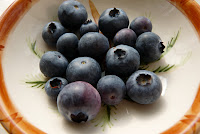
I was finally able to pick enough blueberries to add to my morning cereal. It was such a treat!


For dinner Saturday night I kept the garden theme going with stuffed squash blossoms; which I served along with homemade whole wheat tagliatelle and a garden (literally) salad. 


First I made ricotta out of organic 1% milk and a splash of organic half & half.


To make the ricotta I poured the milk with a little salt into a nonreactive pan. Starting with a cold pan, so the milk wouldn't stick I heated it to around 180 degrees.


I pulled the pan off the heat to add vinegar. I used rice wine vinegar because I thought it would add a nice subtle sweetness to the flavor. The vinegar should be no more than 5% of the total volume of milk that you use. I used two cups of milk so that came to about 20ml of vinegar. 


Then I stirred the mixture around until the curd started to separate out. It took about a minute.


I covered the pan and let it sit for at least two hours. We actually went to an earth day festival so it sat for about 4.5 hours. When we got home, I drained the liquid out of the curd using some cheesecloth and a strainer. The longer you let it drain the dryer your ricotta will be. At this point you can add a little more salt to taste.


I mixed the cheese together with some chopped parsley and chives from the garden. I had picked a variety of blossoms - some male flowers (no fruit attached), and some female yellow squash and zucchini flowers. I was curious to see if there was any difference in the taste. I removed the stamens from the blossoms because I had read mixed reviews about their flavors and textures and I stuffed the blossoms with the cheese mixture.


Then I ran each stuffed blossom through some egg whites and seasoned flour and sauteed them in a little olive oil.


A salad of mesclun greens and nasturtium blossoms and whole wheat tagliatelle aglia olio with basil rounded out the meal.


The most amazing part of the whole thing was the fact that Marty ate it.  When we first met, his vegetable comfort zone consisted of four main stays: corn, carrots, lima beans and potatoes. When we had finished eating this meal, he just kept saying "I ate flowers." He was very proud. So was I. :-D

We've come a long way baby!

Wednesday, March 31, 2010

Bagel Time

Recently a friend asked for a copy of the recipe I have been using to make bagels. Her request placed the idea in my head and since it has been a while since I made them myself, I decided to make some this week. Yes, the irony of my choosing to make bagels at Passover is not lost on me, but I'm not Jewish and I like bagels, so I'm at peace with it.

Of course I can never leave well enough alone so I thought I would try making whole wheat versions this time which threw a bit of a monkey wrench into the process. Suffice it to say I was faced with a few setbacks. First my dough sponge didn't rise properly (maybe it was the Passover thing after all) and after rereading the directions on the package of yeast I decided to start over and make a second batch. Now I had two slow rising sponges! Since this early misstep yielded me twice as much starter, I decided to make one batch of cinnamon raisin and one batch of everything bagels. Making twice as many added more time to the whole equation. When all was said and done, what should have taken 4 - 5 hours from start to finish took twice that. 

At midnight, when I had reached the final "floating" stage of the recipe - the dang stubborn things just didn't want to go there.  So they went into the fridge and I went to bed. Let's just say that after a good night's rest I managed to work it all out and today my bagels floated willingly in their boiling malt bath and baked up nicely. A few chewy, crusty, bagely bites later and all the trouble I had was forgiven.


Lunch
Toasted whole wheat everything bagel topped with tomato & feta bruschetta and a poached egg
Side of fresh fruit